Structured Monitoring
The Monitoring team undertakes structured and continuous monitoring of development projects, programmes, and institutions to ensure that implementation remains aligned with approved scope, cost, timelines, and performance objectives. Monitoring is integrated across the PC-I to PC-V lifecycle, beginning with the establishment of monitoring design, Key Performance Indicators (KPIs), and risk indicators at PC-I, followed by real-time implementation tracking during PC-III, performance verification at PC-IV, and post-completion operational monitoring under PC-V. Through this lifecycle-based approach, the Ministry identifies variations, deviations, and performance gaps, validates compliance with quality and implementation standards, and supports timely corrective actions to mitigate risks of delay, inefficiency, and cost overrun. A hybrid monitoring framework combining digital evidence, physical verification, institutional review, and field validation to strengthen transparency, timeliness, and evidence-based decision-making. Real-time dashboards, centralized risk registers, and early warning mechanisms enable continuous tracking of progress, quality, safety, environmental performance, and governance indicators. Field monitoring verifies reported progress against ground realities, confirms resource deployment and service readiness, and assesses beneficiary reach and safeguard compliance.
The Ministry has strengthened accountability and discipline through an Implementation, Monitoring and Evaluation Policy 2026. The policy institutionalizes a digital, evidence-based, and real-time monitoring strategy supported by phased transition from traditional monitoring systems.
FOR MoPDSI USERS ONLY
Integrated Monitoring Layers
Monitoring operates through integrated layers of data acquisition, analytics, applications, and dashboards. Key elements include:
- Real-time monitoring based on digital and field-based evidence.
- Integration of sensors, satellite imagery, geo-spatial data, and monitoring tools.
- AI and video analytics for automated performance tracking and anomaly detection.
- Centralized data architecture supporting predictive KPIs and performance insights.
- Dashboards displaying implementation status, risks, and performance.
- Integration of monitoring requirements embedded within PC-I, PC-III (Project Implementation), PC-IV (Closure and Evaluation), and PC-V (Post-Completion Performance Reporting) formats.
Key Performance Indicators
Monitoring integrates tiered performance indicators to ensure comprehensive oversight:
- Progress KPIs tracking implementation performance.
- Quality KPIs validating engineering and compliance standards.
- Safety KPIs monitoring on-site risk and compliance.
- Environmental KPIs assessing sustainability and climate performance.
- Governance KPIs tracking workforce, documentation, and institutional discipline.
Field & Risk Monitoring
Field Monitoring and Verification
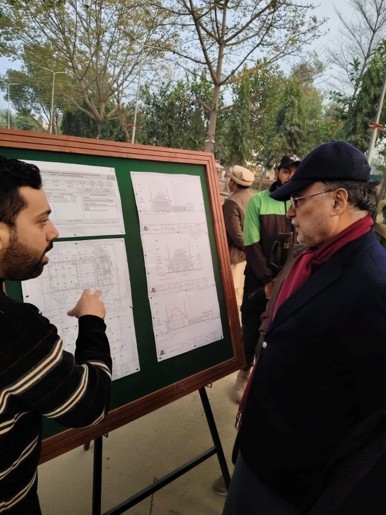
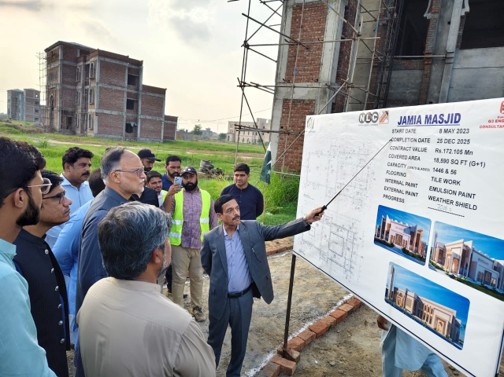
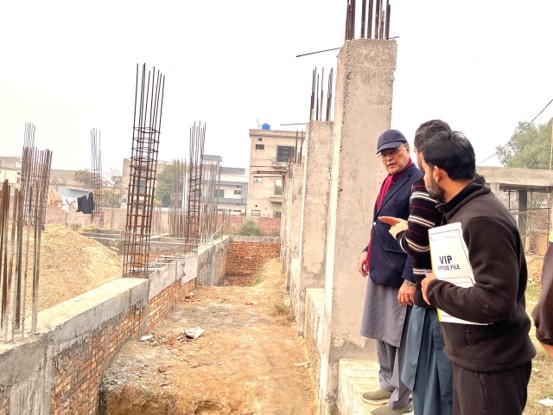
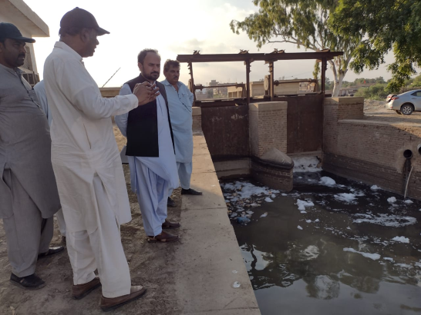
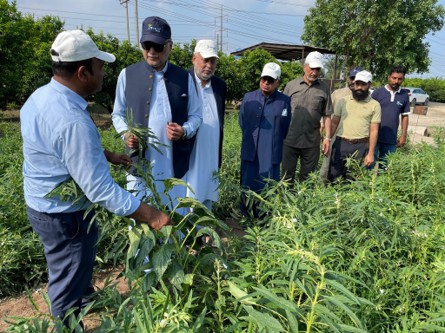
Physical monitoring forms an integral component of the IME framework and complements digital monitoring. It is conducted for routine verification, high-risk projects, pre-completion validation, and post-completion assessment. Field monitoring ensures:
- Validation of reported physical progress against ground reality.
- Verification of quality, compliance, and implementation performance.
- Confirmation of resource deployment and operational readiness.
- Assessment of environmental, social, and safety safeguards.
- Beneficiary and service delivery verification.
- Physical verification prior to submission of PC-IV (Completion Report) and during PC-V annual post-completion monitoring cycle.
Risk Monitoring & Institutional Accountability
The policy establishes a centralized Risk Register and Early Warning Mechanism to track delays, cost overruns, procurement bottlenecks, and implementation risks. Automated alerts enable timely corrective action and institutional response. Institutional performance monitoring includes:
- Ministry-wise performance report cards.
- Monitoring of reporting discipline and data quality.
- Contractor and implementation accountability.
- Agreed Actions Tracking Dashboards for compliance monitoring.
- Monitoring inputs derived from PC-III B (Monthly Progress Reports) feed into Risk Register and Early Warning Mechanism.
Monitoring Approaches
Field Monitoring
By the officers of the Projects Wing with close collaboration of Technical Sections
Desk Monitoring
Systematic review of project documentation and reports
Confirmatory Monitoring
Verification of reported progress through multiple sources
Third Party Monitoring
Through outsourced firms for independent verification
Impact of Monitoring
- Time saving and resultant cost saving in projects by decentralizing approvals
- Increase in completion rate of the projects
- Provision of on spot technical assistance for resolution of issues
- Mitigation of irregularities in project implementation
- Improvement in Project Planning and designing
- Identification of duplication in projects
- Cost Rationalization in projects proposed for revision